“the stars are veiled. something stirs in the east. a sleepless malice. the eye of the enemy is moving. he is here.”
[Continued from Idle Meandering Thoughts (Part 1)]
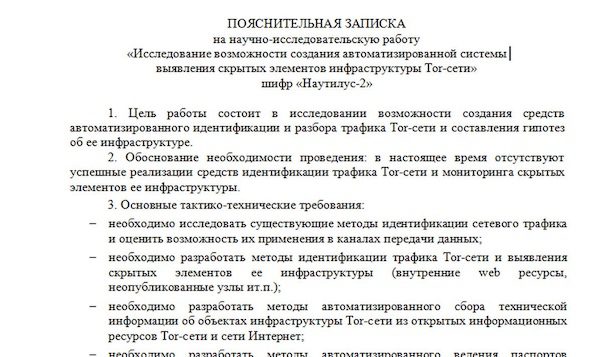
Above is a leaked document from the Moscow company SAITEK (ООО «САЙТЭК»), part of a much larger collection of company files that became public following a major breach in 2019. The document is part of a Russian effort to identify and analyse Tor traffic, as part of a research project codenamed Nautilus-2 (Наутилус-2).
For those who track these matters, neither the document nor the project signifies anything remotely newsworthy. As mentioned, this all came out back in 2019. In July, I believe. With that said, I got stuck on it today. No doubt there is a page stuck in a typewriter somewhere here with the words “All work and no play makes John…” repeated across it.
At any rate. The document has the rather bureaucratic title: “Research into the possibility of creating an automated system for identifying hidden elements of the Tor network infrastructure.”
As such, the existence of this project is no particular surprise. Russian intelligence and security institutions have good reason to have a long-running interest in identifying, collecting, correlating and ultimately exploiting information that users would rather remain obscure. Tor is of particular interest to Russia and China, given its historical use by individuals in intelligence, criminal and activist circles alike.
The Nautilus-2 project sought to examine existing methods for identifying network traffic and develop automated techniques to recognise and discover hidden Tor elements within networks. This would help the Russians automatically collect technical information on the infrastructure from both open and closed network structures, as well as create better profiles of infrastructure objects and monitor changes to them, in addition to identifying covert network activity. Fairly reasonable things for an intelligence service to look into, less reasonable if you are the user.
I suppose they thought at the time that the FBI approach of simply being a premier controller of Tor exit nodes did not suffice. (Or was too resource-intensive to be a viable option.)
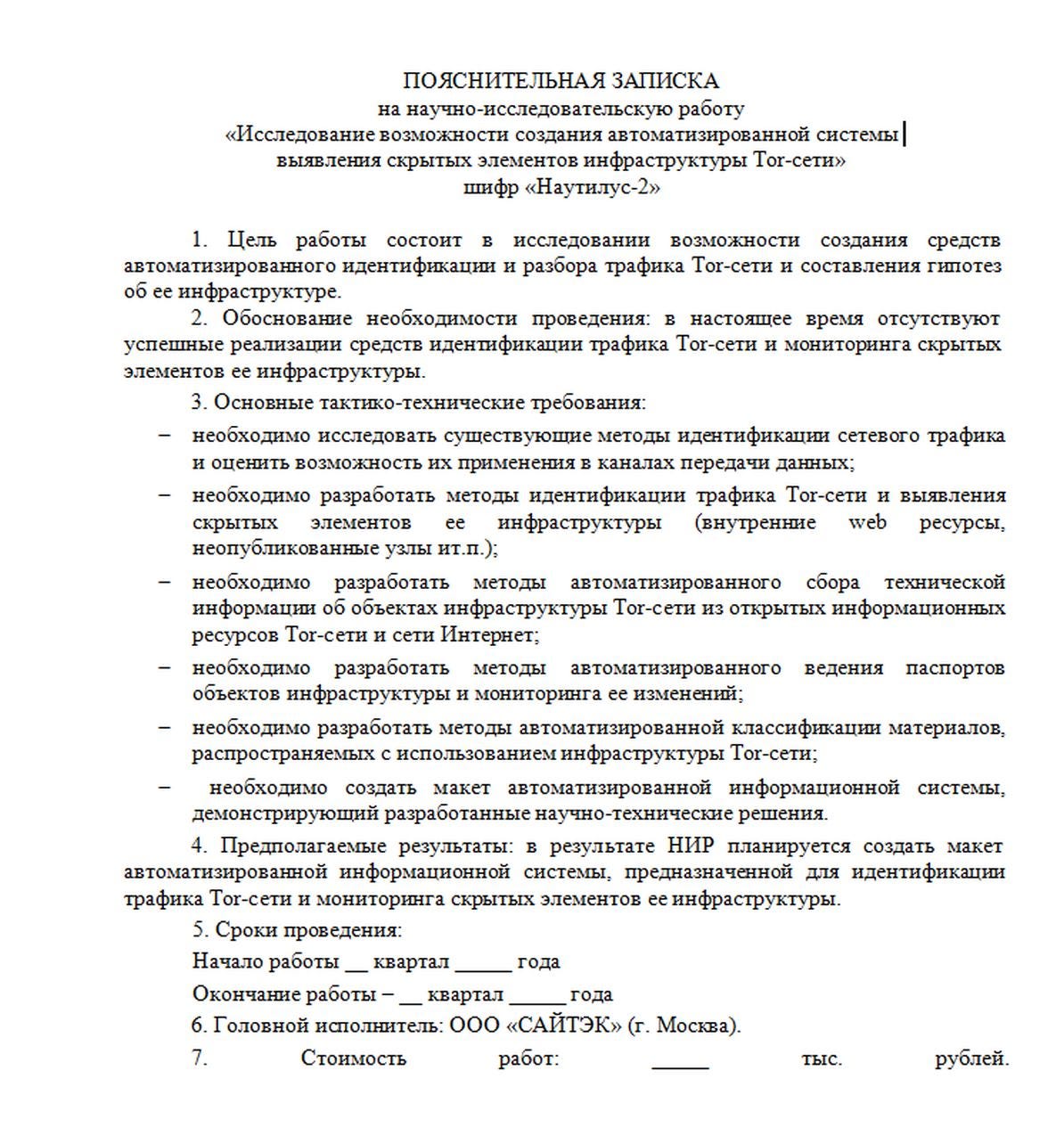
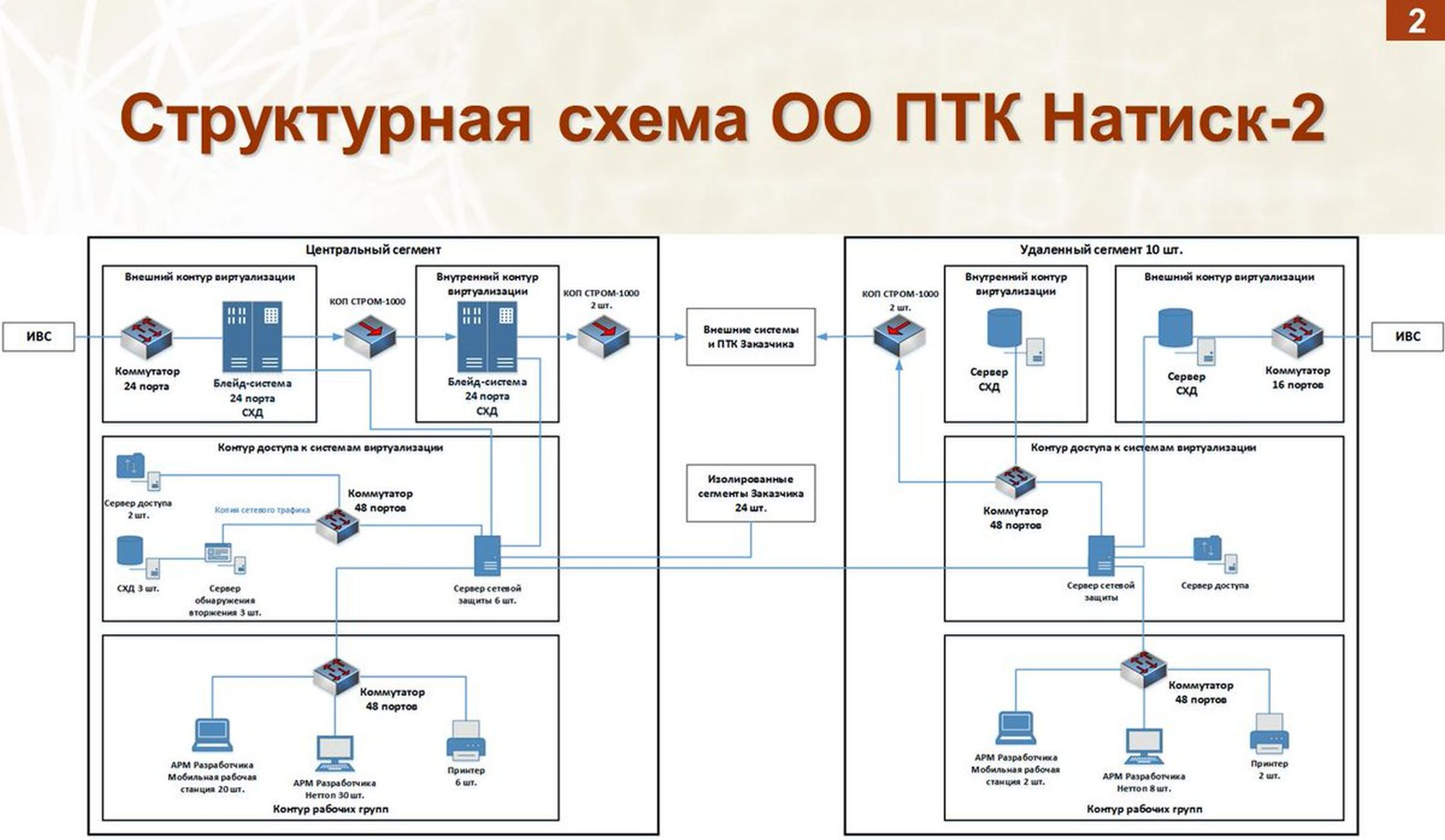
The Nautilus project family is interesting, though. Earlier documentation describes automated collection and specialised processing of material from social networks. By 2009–2011, the proposition was already quite openly expressed: people were putting extraordinary quantities of personal information online, leaving what the Russian documentation describes as an informational trace. This presented opportunities for collecting and analysing personal data for what it delicately calls “special tasks.”
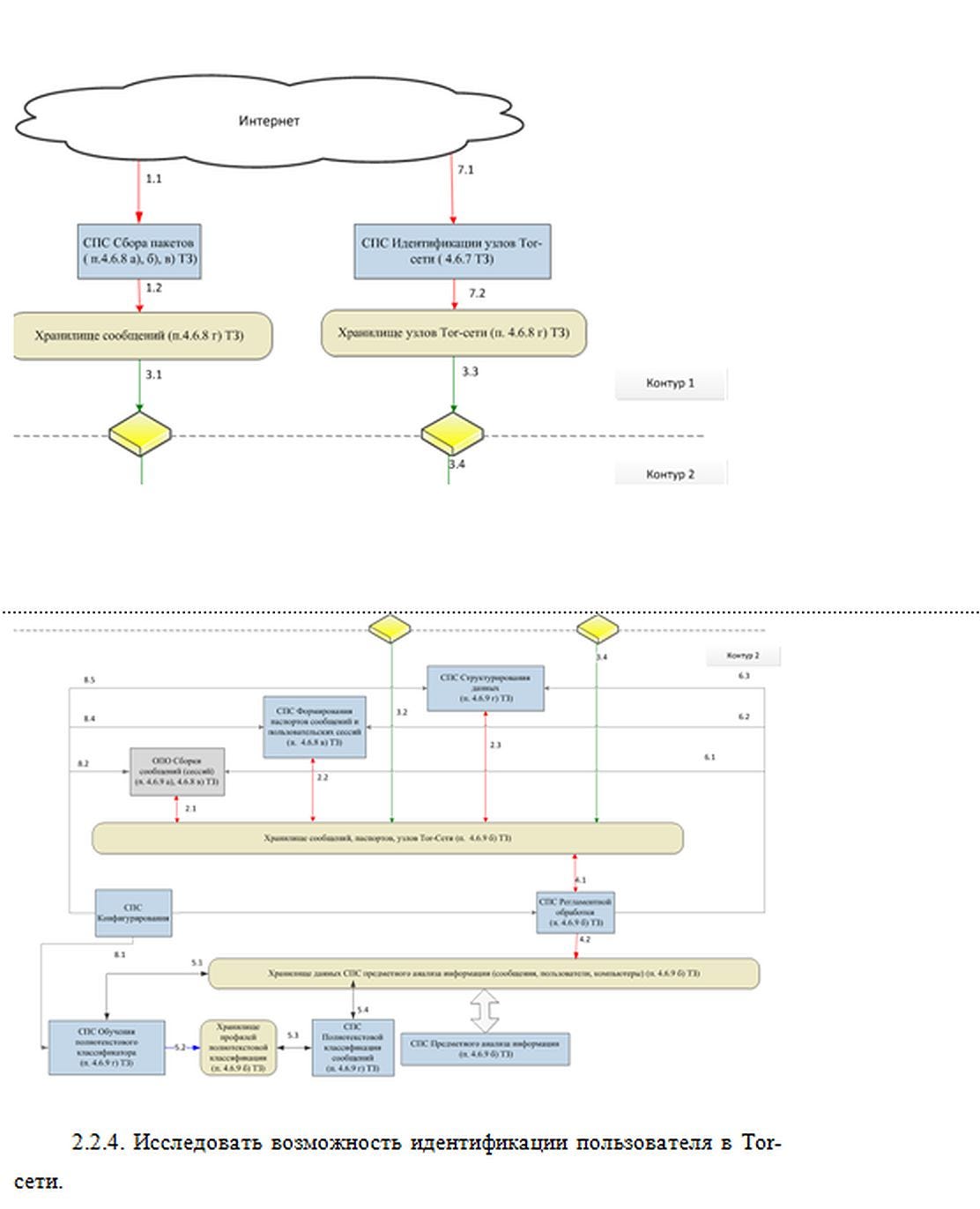
Seen in that context, Nautilus-2 is less interesting as some exotic attempt to “break Tor” than as another specimen of a much longer institutional fascination: how do you turn the unruly mass of human activity on the internet into something observable, classifiable, attributable and therefore useful?
The answer, as so often in this kind of work, usually begins with collecting unmanageably large amounts of information.
-j
(20260727)
P.S. Reminder: I have to finish reading “All Out War: The Full Story of How Brexit Sank Britain’s Political Class” by Tim Shipman.
P.P.S. Being a “mad scientist” means never stopping to ask “what’s the worst thing that could happen?” – which is rather liberating.
P.P.P.S. “The Era of the French Intellectual Is Over”, by Robert Zaretsky on behalf of Foreign Policy magazine (2026/06/18) is a recommended read.
P.P.P.P.S. “Impossible is a word to be found only in the dictionary of fools.” —Napoleon Bonaparte
P.P.P.P.P.P.P.S. I’ve been reading rather a lot lately. Mainly biographies of Gertrude Bell. This led to reading about Rani Lakshmi Bai, which naturally led to writing a short scifi story of my own, developing an idea I aired before. Written in Swedish, for now. It goes:
Tio år hade gått sedan de gottgjort honom med en professur i matematik, men aldrig låtit honom se datorn han själv hjälpt konstruera. Han hade fortfarande aldrig sett en dator. Nu, på ålderns höst och utflyttad till en mindre stad, trodde han sig aldrig få chansen.
Men en morgon såg han en annons i tidningen. Ett nytt företag erbjöd sig att, mot betalning, lösa problem åt kunder med hjälp av sin dator. Den kunde, enligt annonsen, ”lösa alla problem.”
”En dator!” utbrast professorn.
Några dagar senare lämnade han ett matematiskt problem till företaget. Mannen bakom disken bad honom återkomma nästa dag.
Svaret var perfekt.
Professorn kom tillbaka med ett svårare problem. Även detta löstes perfekt. Han bad att få se datorn, men visades artigt men bestämt ut.
Han fortsatte likväl att lämna in problem. Efter några veckor började något störa honom. En maskin borde ge rätt svar, tänkte han, men dessa svar verkade inte beräknade. De var uttänkta.
Till sist konstruerade han ett problem där den som förstod metoden också skulle upptäcka en fråga gömd i matematiken.
Svaret kom. För den som inte visste var det ännu en matematisk lösning. För professorn var svaret allt annat än matematiskt, det var mänskligt.
Professorn återvände och hotade att gå till myndigheterna. Mannen bakom disken betraktade honom länge. Han kallade inte på någon vakt, utan öppnade i stället en dörr bakom disken och gjorde en gest åt professorn att följa med.
Bakom dörren fanns ingen dator. Där arbetade människor vid långa bord i tystnad, omgivna av papper, böcker och anteckningar. Matematiker. Fysiker. Ingenjörer. Gamla och unga.
Frågor kom in, delades upp och fördelades efter förmåga. Droger höll dem arbetande. Professorn såg en man falla ihop av utmattning. Två vakter bar bort honom utan ett ord. Ingen sade något. Ingen lyfte blicken.
Professorn såg på mannen.
”Ni sade att ni hade en dator.”Mannen ryckte på axlarna.
”Människor är billigare.”
P.P.P.P.P.P.P.P.S. Gave a lecture in Paris a few weeks ago, on the weaponisation and instrumentalisation of refugees as part of the hybrid‑warfare toolkit used by illiberal actors against the West. I can only assume it was the warm weather that drew people into the air‑conditioned auditorium and kept them there. A quick headcount (1, 2, 3, many) made me think the effort was worthwhile. The lecture was in part related to a previous piece published here, “Human suffering scales efficiently when it is managed”.

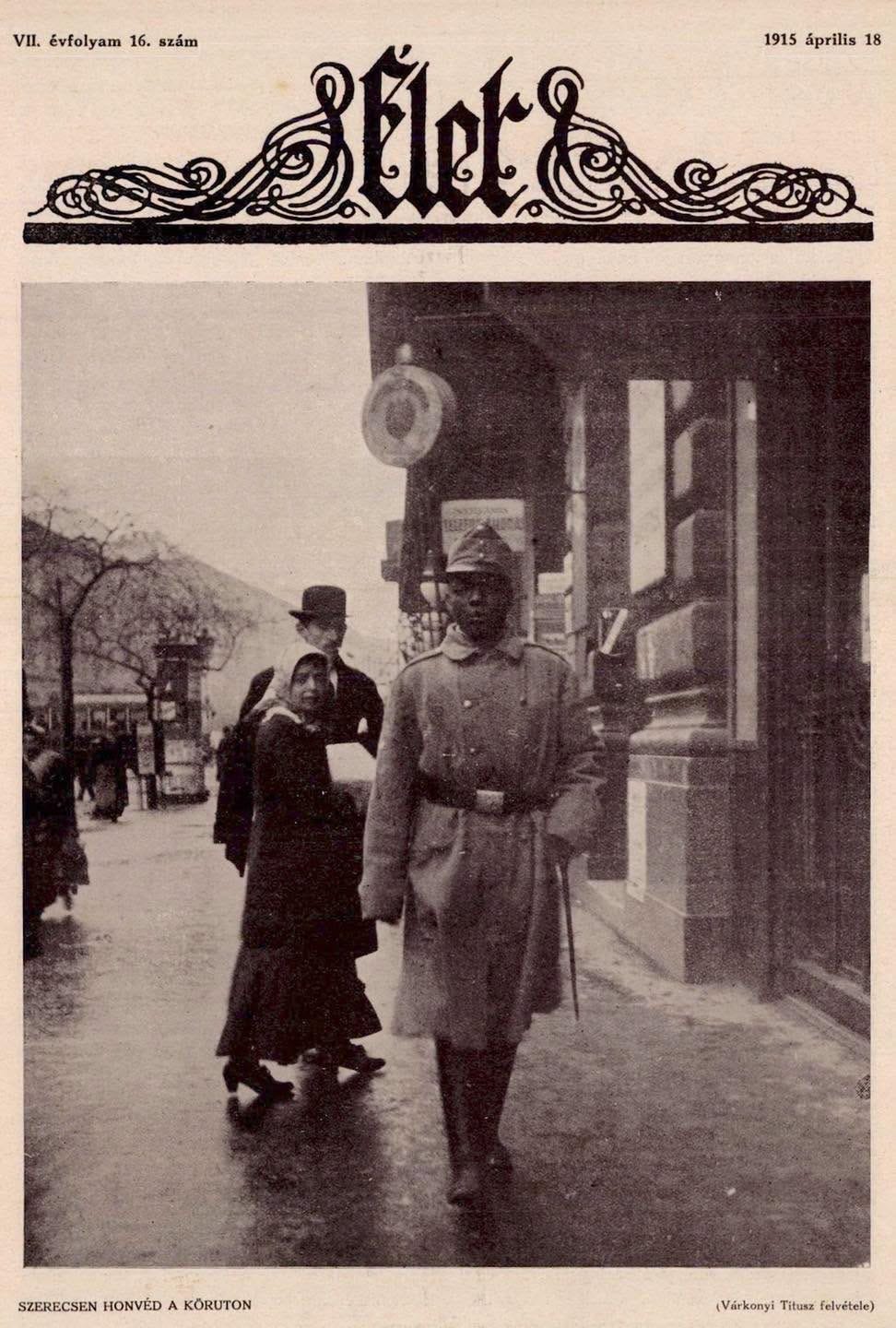
P.P.P.P.P.P.P.P.P.S. The image below is of the cover of the Hungarian illustrated weekly Élet, published in Budapest on 18 April 1915. The photograph, captioned Szerecsen honvéd a körúton (“The ‘Saracen’ Honvéd on the Boulevard”), depicts a Black soldier serving in the Austro-Hungarian Army during the First World War. The photograph was taken by Titusz Várkonyi. No doubt the image held considerable novelty value at the time.
Historians have not been able to agree on the soldier’s identity. He has variously been identified as Ali Mahmud, Simon Perris, Perris Simon, and even Mr Bobby. Depending on which contemporary newspaper one chooses to believe, he was born in Senegal, the Congo, or even America.
P.P.P.P.P.P.P.P.P.P.S. Further on, the actor Sam Neill died the other day. I see many people recommend films that Neill was in as a result, and I intend to do the same; The Hunter (2011), in which Neill stars alongside Willem Dafoe, and Frances O’Connor. Great film that seemingly gets overlooked.
P.P.P.P.P.P.P.P.P.P.P.S. The days at the office are long, but fulfilling.

John Sjoholm, for LIMA CHARLIE WORLD
[Subscribe to our newsletter for free and be the first to get Lima Charlie World updates delivered right to your inbox.]
John Sjoholm is Lima Charlie’s Middle East Bureau Chief, Managing Editor, and founder of the consulting firm Erudite Group. A seasoned expert on the Middle East, North Africa, Europe and the Balkans, he has a background in security contracting and has served as a geopolitical advisor to regional leaders. He was educated in religion and languages in Sana’a, Yemen, and Cairo, Egypt, and has lived in the region since 2005, contributing to numerous Western-supported stabilisation projects. He currently resides in Jordan.
Lima Charlie World provides global news, featuring insight & analysis by military veterans, intelligence professionals and foreign policy experts Worldwide.
For up-to-date news, please follow us on twitter at @LimaCharlieNews
In case you missed it: